

Understanding, Recognising, and Managing Pain in Assistance Dogs
Assistance Dogs are amazing they bridge the gap between emotional need and daily independence. But even the most well-trained, devoted dog can struggle when something hurts. Pain changes how a dog moves, behaves, and even how they connect with their handler.
When we understand how pain affects behaviour and performance, we protect not only our dog’s comfort but also the partnership that we have with our dogs.
1. Pain changes behaviour — often before you notice anything “wrong”
Pain doesn’t always look like limping or yelping, and dogs are masters at hiding discomfort.
Dogs may start hesitating on certain tasks, appearing “stubborn,” “distracted,” or “less focused.” In reality, they might be protecting a sore joint, compensating for a tight muscle, or avoiding a posture that hurts.
Research in veterinary behaviour consistently shows that pain and discomfort are major underlying causes of sudden behavioural change — yet they’re often mistaken for training or emotional issues. For Assistance Dogs, that misunderstanding can be particularly tough: when a dog is expected to stay calm and consistent, a shift in behaviour can feel personal. But it isn’t. It’s communication.
Common early signs of pain include:
- Slower or less enthusiastic task performance
- Hesitation on stairs or uneven surfaces
- Changes in sitting or lying position (crooked sits, “lazy” downs)
- Flinching or pulling away from touch
- Irritability or withdrawal
- Increased panting or reluctance to settle
If your dog suddenly starts working differently, consider pain might be the cause.
2. Recognising when your assistance dog needs a break (it’s not always behavioural!)
Assistance dogs work hard both physically and emotionally. They absorb stress, adapt to changing environments, and often suppress their own discomfort to stay on duty. Learning to spot when your dog needs a break protects their welfare and prevents long-term problems.
When to consider a break:
- Your dog’s focus or response time changes suddenly
- They begin to hesitate or seem “on edge” in familiar tasks
- They tire quickly or seem reluctant to move
- You notice subtle gait changes, stiffness, or slower recovery after rest
Even short rest periods — reducing task load for a few days, switching to low-impact activities like gentle sniff walks, or simply allowing more downtime — can make a huge difference.
Taking a break isn’t failing your training; it’s showing the same compassion your dog gives you daily.
3. Balancing Welfare and Work: Managing Pain in Assistance Dogs
Assistance Dogs give extraordinary emotional and practical support — but they’re still dogs first, with bodies that can tire, strain, and ache just like ours. When they’re in pain, their ability to perform tasks or provide comfort can drop, not because they’re unwilling, but because something hurts. Balancing welfare and work means looking after the body as carefully as you look after the mind.
1. Start with Veterinary and Holistic Checks
Regular veterinary check-ups remain the foundation of good welfare — your vet can rule out medical causes of pain and prescribe appropriate treatment where needed.
However, pain often hides between check-ups, especially in subtle gait changes, posture, or behaviour. That’s where Dynamic Dog assessments come in.
As a Dynamic Dog Practitioner, I carry out detailed, posture-and-movement-based evaluations. These don’t rely on the dog “telling” us they hurt — instead, we observe how they move, stand, and shift their weight. Small compensations (like avoiding a step, leaning to one side, or sitting crookedly) can reveal discomfort long before it becomes obvious. The resulting report supports your vet with valuable information, ensuring pain isn’t missed or dismissed as a “behavioural quirk.”
2. Relieving Discomfort Through Galen Canine Myotherapy
Once pain or tension is identified, Galen Canine Myotherapy can play a key role in easing it. This is a hands-on, evidence-based soft tissue therapy that works on the muscles and fascia — the connective tissue network running throughout the body.
Using gentle, targeted massage and myofascial release techniques, it helps to:
- Reduce muscle tension caused by repetitive tasks or stress
- Improve circulation and flexibility
- Support posture and joint health
- Encourage calmness and relaxation
For Assistance Dogs, this kind of therapy can be especially valuable. These dogs are emotionally attuned to their handlers; if they’re physically uncomfortable, their ability to respond calmly and consistently can suffer. By releasing muscle tightness and improving comfort, myotherapy not only restores freedom of movement but also helps your dog’s emotional balance.
3. A Multimodal Approach That Puts the Dog First
Managing pain in working assistance dogs isn’t about choosing one treatment — it’s about collaboration. A multimodal approach brings together:
- Veterinary diagnostics and pain management
- Dynamic Dog posture and movement analysis
- Galen Myotherapy for soft tissue comfort and recovery
- Lifestyle and task adjustments (e.g. workload, harness fit, rest breaks, flooring)
- Supportive exercise and mental enrichment suited to the dog’s needs
Together, these create a complete picture of your dog’s health — physical, emotional, and behavioural — so that you can make informed, welfare-focused decisions about their work.
4. Protecting the Bond
By prioritising welfare and using tools like Dynamic Dog assessments and Galen Myotherapy, you’re not “breaking” your dog’s training — you’re strengthening the partnership.
A pain-free, comfortable dog can think clearly, perform tasks with confidence, and offer the emotional stability you rely on. Your dog’s wellbeing is the foundation of their service.
4. Early warning signs of pain often mistaken for training issues
Handlers of Assistance Dogs are incredibly observant — but pain can be hard to spot. Here are behaviours that might look like “training slips” but actually signal discomfort:
| Behavioural Change | Possible Pain Connection |
| Slower responses or delayed cues | Joint or muscle stiffness |
| Avoiding tight spaces or certain surfaces | Soreness or anxiety linked to pain memory |
| Startling or reacting to touch | Localised tenderness |
| “Zoning out” or refusing cues | Fatigue or discomfort interfering with focus |
| Shorter stride or unusual gait | Compensating for pain in a limb or spine |
If in doubt, pause the task and look deeper. Your first step isn’t to “fix” the behaviour — it’s to rule out pain.
5. Protecting the future of your partnership
Your dog’s comfort and wellbeing are what make them capable of supporting your wellbeing. Recognising pain early prevents small issues from becoming chronic, protects your bond, and keeps both of you enjoying the freedom and stability you’ve worked so hard to achieve.
A simple action plan:
- Notice change — any shift in behaviour or performance matters.
- Rest first, assess second — short breaks protect long-term ability.
- Book a check — vet visit + Dynamic Dog assessment = full picture.
- Address pain gently — through Galen Myotherapy, physiotherapy, or veterinary care.
- Celebrate progress — comfort restored means confidence restored.
6. Final thoughts
Pain isn’t just physical — it affects how your dog feels, learns, and connects.
By taking a dog-led, welfare-first approach, you can ensure your Assistance Dog stays healthy, happy, and able to do what they love most: supporting you.
References
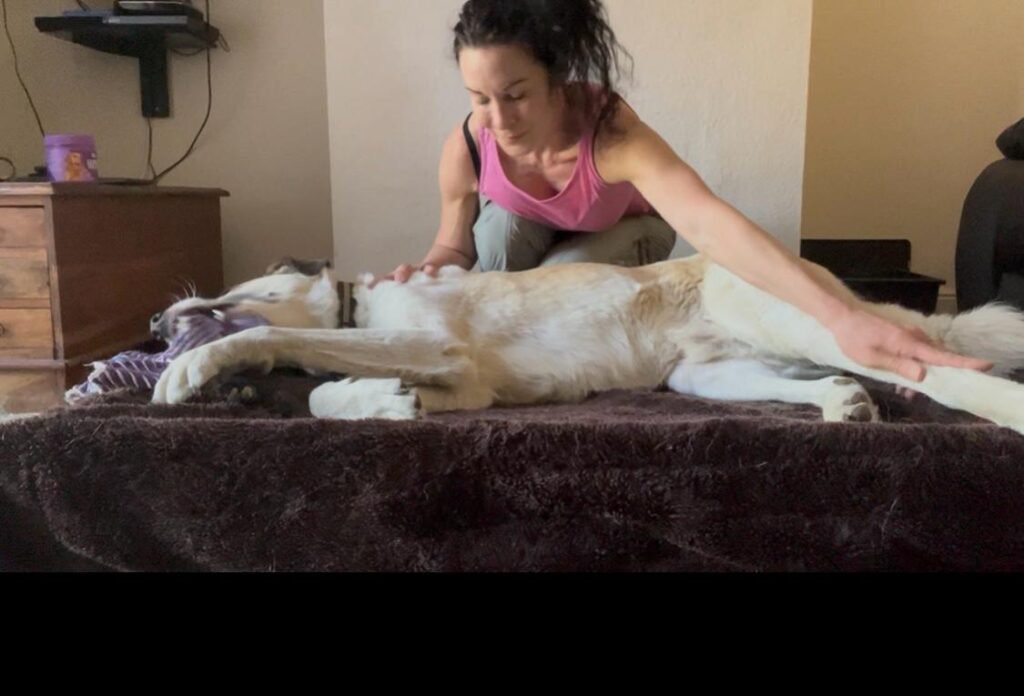
Author: Lorrain Tester
Lorraine Tester is a Dynamic Dog Practitioner, Galen Myotherapist, dog trainer and behaviourist who specialises in the complex relationship between pain and behaviour. Through her work, she has seen how often unwanted behaviours are not a matter of disobedience, but a reflection of pain or discomfort that has gone unnoticed. Her goal is to ensure that pain in dogs is more widely recognised and addressed, so they can live healthier, happier lives.